
In the India many students dream of becoming doctors, but when it comes to actually securing MBBS admission in India, most of them feel lost in confusion, unsure about the right path, and under constant pressure of intense competition, making their dream seem difficult to achieve. From understanding the right process to choosing among hundreds of medical colleges in India, students often struggle with questions such as where to start, how to strengthen their chances, and which path aligns best with their goals often lead to uncertainty and make the journey more complex than expected.
With changing MBBS admission rules and more competition each year a small mistake can cost an opportunity. Having guidance is crucial for a successful medical career in India. It helps you make decisions and stay on track. You need reliable help to achieve your goals. This is no longer a to-have but a must-have for anyone serious, about building a doctor’s future. Clear guidance helps you navigate the process and make the most of your chances.
This page is carefully designed to give you a complete, step-by-step understanding of how the admission system works in India. From eligibility and entrance exams to counselling and final seat allotment, every stage plays a crucial role in shaping your medical journey. Whether you are targeting prestigious government institutions or exploring opportunities in private medical colleges in India, making the right decisions at the right time can significantly impact your future.
If you are planning your journey strategically and want to maximize your chances of success, this guide will help you navigate the entire process with clarity, confidence, and the right direction
Need Help with MBBS Admission?
Need Help with MBBS Admission?
Don’t let confusion or competition hold you back. Get personalized support and make the right decisions for your medical career today.
Speak to an Expert
First, You Need to Know About How MBBS Admission Works in India
In India, the MBBS admission programs is to centralized and regulated to ensure selection that is open and based on your marks. The entire system revolves around a national-level entrance examination, followed by a structured counselling process.
Once a student qualifies for the entrance exam, they become eligible to participate in counselling, where seats are allocated based on rank, preferences, and availability. This system applies across government institutions, private colleges, and deemed universities.
The key to success lies in understanding this flow early and planning each step carefully.
Eligibility Criteria Every Student Must Meet
Before starting the admission journey, it is important to ensure that you meet the basic eligibility requirements according to your rank. These criteria are defined by regulatory authorities and apply to all applicants across the country. All Students must have completed their higher secondary education with core science subjects, including Physics, Chemistry, and Biology. A minimum qualifying percentage is required, which may vary depending on the category.
Age also plays a significant role in the MBBS admission process, with a minimum threshold that applicants must meet. Most importantly, qualifying the national entrance exam is mandatory. Without clearing it, no medical college in India can offer admission.
Understanding these requirements early helps avoid confusion later in the process.
The Role of Entrance Exams in Medical Admission you should know
The entire admission system is built around a single entrance examination that acts as a gateway to medical education in India. Your performance in this exam determines your rank, which directly impacts the colleges you can secure.
Since the competition level is extremely high, even small differences in marks can significantly change outcomes. This is why preparation strategy, consistency, and proper guidance become crucial.
Once the results are declared, students move to the next phase, which is counselling, the stage where actual seat allocation happens.
Click and know full details:- MBBS Admission in India After NEET 2026
Here we explain about Counselling Process and Seat Allocation
After qualifying the entrance exam, students must participate in the official counselling process. This is where they select their preferred colleges and courses.
The counselling system is divided into two major categories. One operates at the national level, covering a percentage of seats across the country. The other is managed by individual states, offering opportunities within specific regions.
During counselling, students fill in their choices, and based on their rank, seats are allotted. If a student is satisfied with the allotted college, they can confirm admission by completing the required formalities.
This stage is extremely important, as the right choices can significantly impact your final outcome.
Some important Link related to NEET Counselling
Choosing Between Government and Private Medical Colleges for MBBS admission
One of the biggest decisions students face is selecting the type of college they want to pursue their education in Both government and private institutions offer MBBS programs, but they differ in several aspects.
Government colleges are highly competitive due to limited seats and strong academic reputation. Students who secure top ranks usually aim for these institutions because of their structured learning environment and clinical exposure.
On the other hand, private medical colleges provide more flexibility in terms of seat availability. They are a preferred option for students who may not secure top ranks but still wish to continue their medical journey within India.
Making the right choice depends on your rank, preferences, and long-term goals.
Exploring Alternative Admission Pathways
While merit-based admission is the primary route, there are additional pathways available for students under specific conditions.
Some private institutions offer admissions under special categories that provide flexibility in seat allocation. These options are particularly helpful for students who meet eligibility criteria but may not have a high rank.
There is also a category designed for students with international or NRI backgrounds, which follows a slightly different process and documentation requirement.
It is important to understand that even in these pathways, qualifying the entrance exam remains compulsory.
Understanding Seat Availability and Competition
Over the years, the number of medical seats in India has increased due to the establishment of new colleges. However, the demand still far exceeds the supply, making the competition intense.
Seats are distributed across different categories and quotas, each with its own criteria and allocation system. Students must be aware of how these distributions work to plan their strategy effectively.
Having a clear understanding of seat availability helps in making realistic choices during counselling and improves the chances of securing admission.
Duration and Structure of the MBBS Course
The MBBS program in India follows a standardized structure across all recognized institutions. It combines theoretical knowledge with practical training to prepare students for real-world medical challenges.
The course spans several years of academic learning, followed by a compulsory internship. This internship is an integral part of the program, allowing students to gain hands-on experience in clinical settings.
This structured approach ensures that students develop both academic expertise and practical skills required in the medical field.
Documents Required for MBBS Admission in India & Verification Process
One of the most important yet often overlooked parts of MBBS admission in India is preparing the correct documentation. During the MBBS admission counselling in India, every student must present a complete set of official documents for verification before confirming their seat in medical colleges in India.
The documents required for MBBS admission typically include academic certificates, identity proof, NEET scorecard, and other essential records. Even a small mistake, missing document, or mismatch in details can lead to delays, complications, or in some cases, cancellation of the allotted seat.
To avoid unnecessary stress during the NEET counselling process in India, students should organize all documents in advance and double-check their accuracy. Proper preparation not only ensures a smooth verification process but also increases confidence during the final stages of admission.
How to Verify NMC Approved Medical Colleges in India Before MBBS Admission
If you are feeling uncertain or want to avoid any risk before finalizing your decision, taking a few minutes to verify a college’s approval can give you complete clarity and peace of mind. When planning for MBBS admission in India, selecting a recognized institution is just as important as securing a seat.
Many students focus only on getting admission but overlook whether the college is officially approved. This mistake can create serious problems later, especially when it comes to degree validity and future career opportunities. That’s why it is essential to confirm that your chosen institution is listed among the NMC approved medical colleges in India.
Steps to Check College Approval:
- Visit the official website of the National Medical Commission (NMC)
- Access the latest list of recognized medical colleges
- Search for your preferred college by name
- Verify details such as recognition status and course approval
Another important point to remember is that during the MBBS admission counselling in India, only approved colleges are included in the official list. If a college is not part of the counselling system, it is a clear sign that it should not be considered.
Choosing from verified medical colleges in India ensures that your education meets national standards and your degree is accepted without any issues. It also gives you confidence that you are making a safe and informed decision for your future.
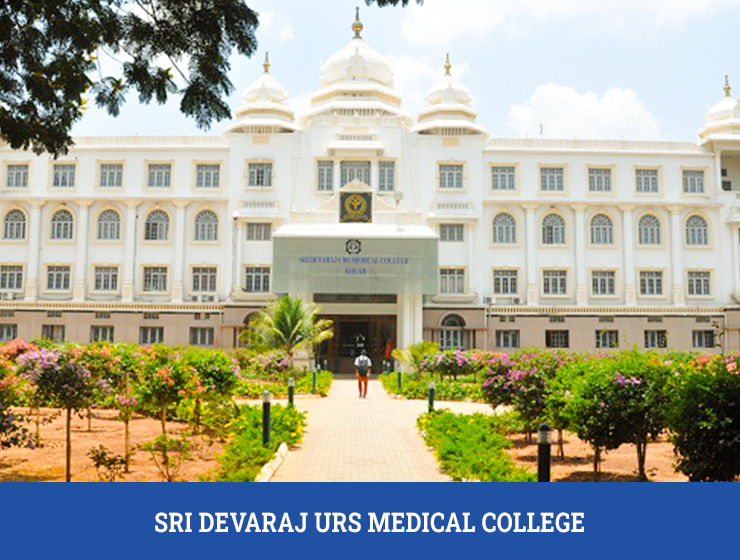
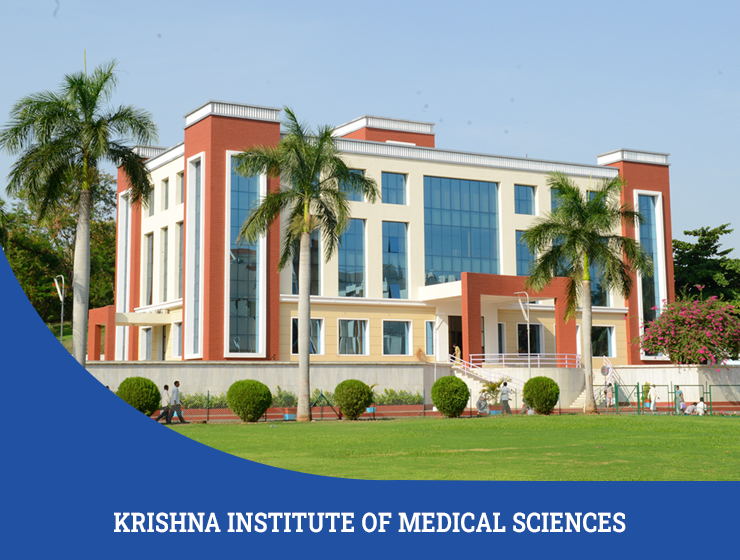
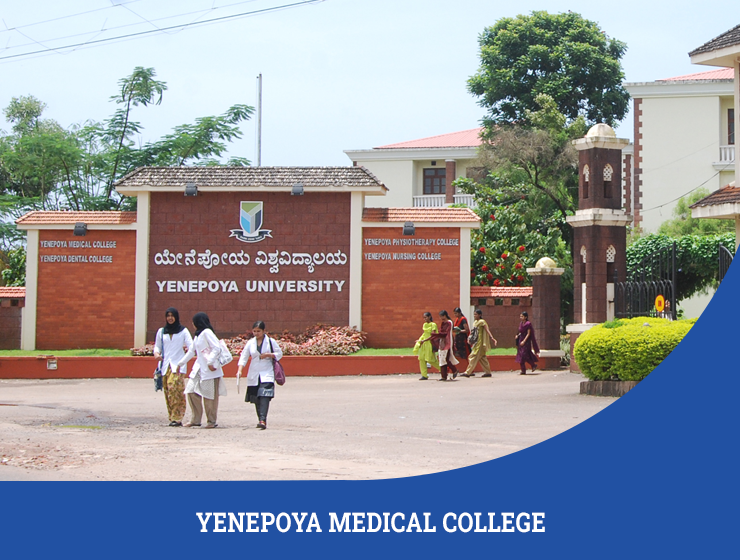
List of Medical Colleges in India for MBBS Admission (Updated 2026)


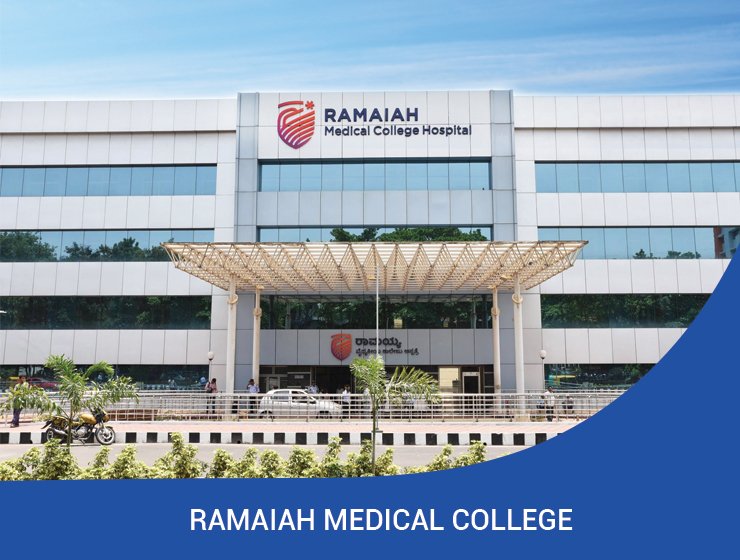


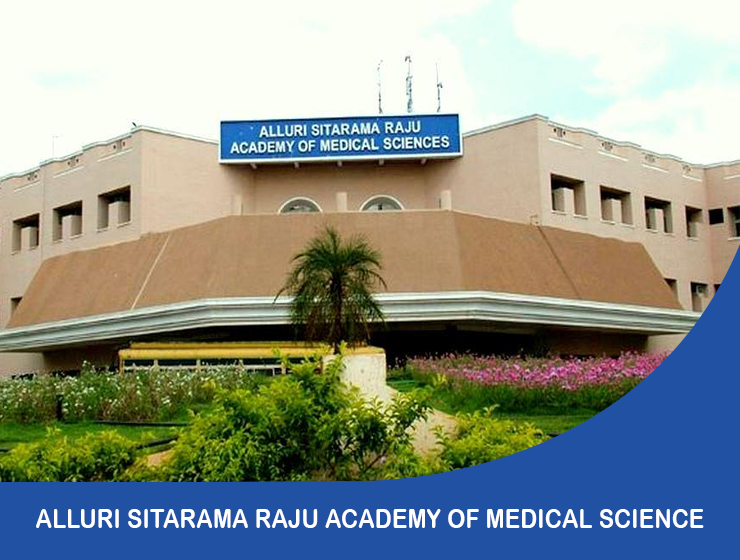
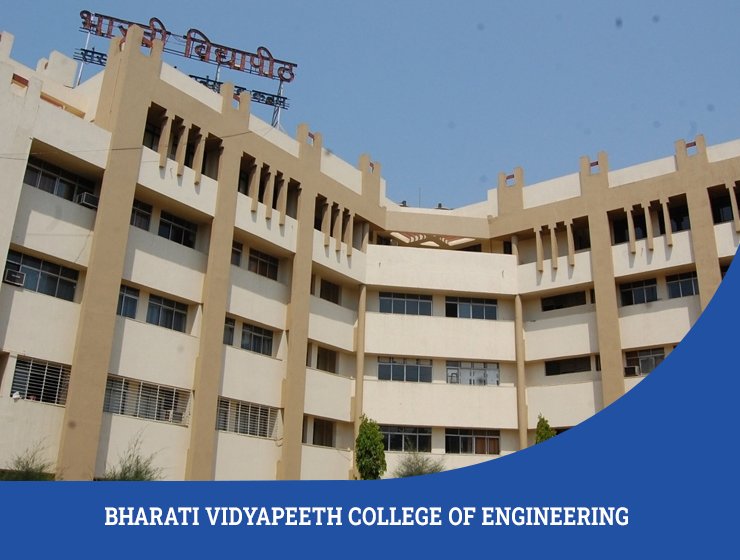


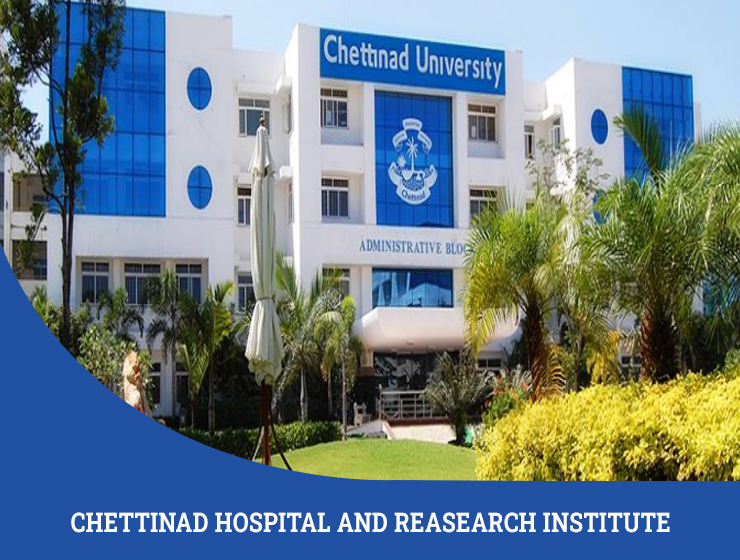




Regulatory Framework and Admission Transparency
Medical education in India is governed by strict regulations to maintain quality and fairness. The governing body ensures that all colleges follow a standardized admission process and adhere to academic guidelines.
These regulations eliminate unfair practices and ensure that students are selected purely on merit and eligibility. This system has significantly improved transparency and trust in the admission process.
For students, this means a level playing field where performance truly matters.
Latest Trends and What to Expect in 2026
The structure of medical education continues to improve and develop. With increasing demand, efforts are being made to expand infrastructure and create more opportunities for students.
New colleges are being introduced, and seat capacity is gradually increasing. At the same time, the admission process remains highly competitive, making preparation more important than ever.
Students planning for 2026 should focus on consistent preparation, staying updated with official notifications, and making strategic decisions during counselling.
Strategic Approach to Secure Admission
Success in medical admission is not just about hard work; it is also about smart planning. Students who understand the process, stay consistent in preparation, and make informed choices during counselling have a higher chance of success.
Instead of relying on shortcuts or myths, focusing on clarity, discipline, and the right guidance can make a significant difference.
Guidance and Support Matters
Going through the admission process without guidance can be stressful. From understanding eligibility to making the right college choices, every step requires attention and accuracy.
This is where platforms like Collegestoria play an important role. With the right insights and updated information, students can simplify the process and avoid common mistakes that often lead to missed opportunities.
Final Thoughts
Securing MBBS admission in India is a journey that requires dedication, clarity, and the right approach. With a structured system in place, students who understand the process and prepare strategically can achieve their goal.
From entrance exams to final admission, every stage is interconnected. Taking the time to understand each step not only reduces stress but also increases your chances of success.
Stay focused, stay informed, and move forward with confidence, your medical career starts with the right decision today.
FAQ:
To apply for MBBS admission in India, follow these general steps:
- Entrance Exams: Most medical colleges in India require candidates to appear for national or state-level entrance exams, such as NEET (National Eligibility cum Entrance Test).
- Register and Apply: Candidates need to register for the respective entrance exams, fill out the application forms, and pay the required fees.
- Admit Card: After successful registration, candidates receive admit cards indicating their exam date, centre, and other essential details.
- Exam and Result: Appear for the entrance exam on the scheduled date. The results will be announced, and qualifying candidates become eligible for counselling and seat allocation.
After completing MBBS, graduates can pursue various specializations, some of which include:
- Paediatrics
- Orthopedics
- Cardiology
- Gynaecology and Obstetrics
- General Surgery
- Dermatology
- Psychiatry
- Ophthalmology
- ENT (Ear, Nose, and Throat)
- Neurology
After MBBS Admission in India, the MBBS syllabus is comprehensive and covers various medical subjects, including:
- Anatomy
- Physiology
- Biochemistry
- Pharmacology
- Pathology
- Microbiology
- Community Medicine
- Medicine
- Surgery
- Obstetrics and Gynaecology
- Paediatrics
- Ophthalmology
- ENT
- Forensic Medicine
- Dermatology
- Psychiatry
While NEET is the primary entrance exam for MBBS admission, some private institutions may conduct their entrance tests or consider other merit-based criteria.
No, Biology is a compulsory subject for MBBS admission. Students must have studied Physics, Chemistry, Biology, and English in their 12th standard.
MBBS graduates can work as general practitioners, specialists, medical officers, and researchers, or pursue teaching and administrative roles in the healthcare sector.
Some popular specializations after MBBS include Pediatrics, Orthopedics, Cardiology, Gynecology, Surgery, Dermatology, Psychiatry, and more.